Is it worth the jar?
We buy the products ourselves, live with them for months, and tell you plainly whether they earned their price tag.
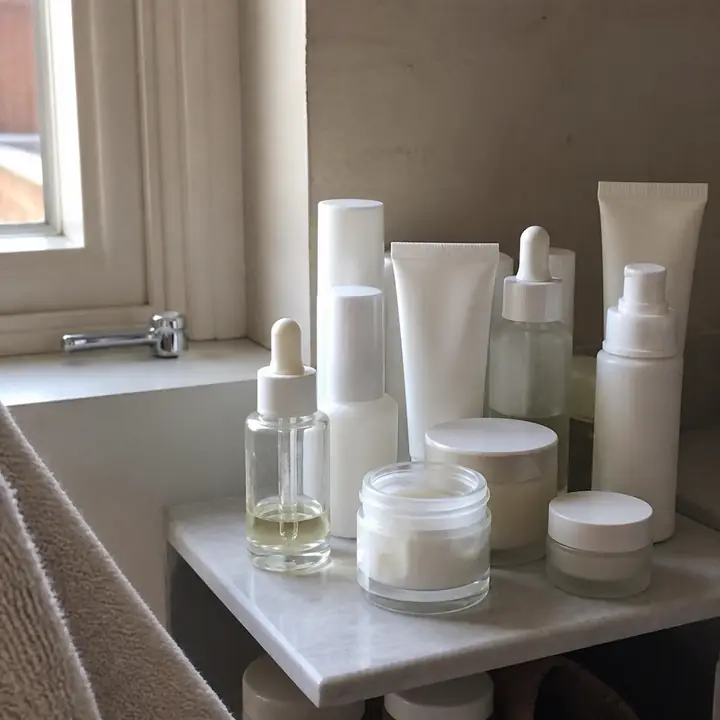
We buy the products ourselves, live with them for months, and tell you plainly whether they earned their price tag.
Four categories where the gap between the promise and the product is widest.
Serums, creams, and the jars that promise the most.
At-home tools -- LED, microcurrent, radiofrequency.
The areas most routines quietly skip.
What the label claims, and what shows up in the research.
Everything below was bought at full price and used for at least sixty days.
Melasma isn't sun damage, and it isn't ageing. Understanding what it actually is explains why most treatments only work while you keep using them.
Nine ingredients marketed for dark spots, sorted by how much clinical evidence sits behind them — and the concentrations that actually matter.
Most sunscreen is formulated against UV. A significant driver of pigmentation isn't UV at all, which is why diligent people still lose ground every summer.
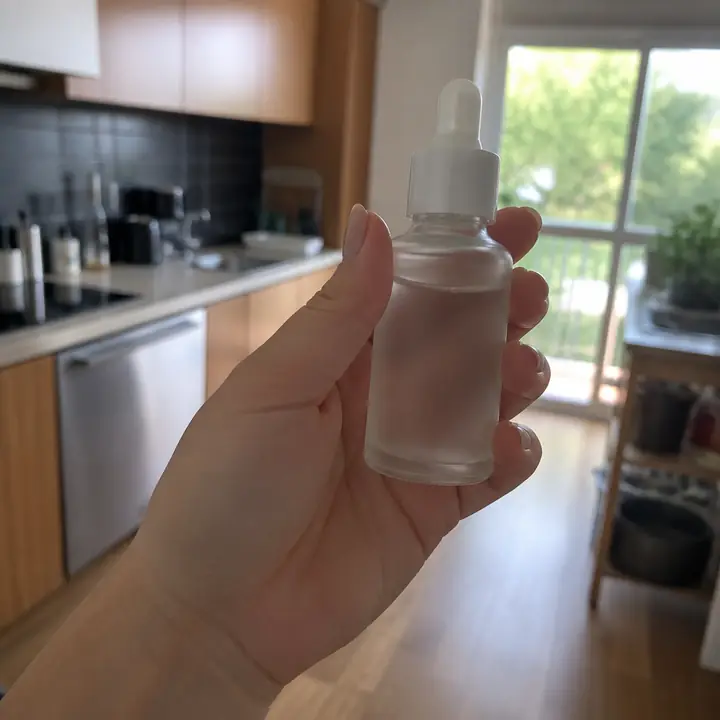
A practical checklist for reading past the packaging — what to look for, what to ignore, and the questions that separate a £15 serum from a £150 one.
The short version. The full method is published in detail.
Every product, at full retail price. We do not accept free samples, gifted units, or PR packages — which means no brand has a hold over what we write.
Skincare gets a minimum of sixty days, because that is roughly two full skin cycles. Devices get daily use over the manufacturer's stated protocol.
Including when the answer is nothing. A review that never says "don't buy this" is not a review — it is an advert with extra steps.
Tell us what's on your shelf that you're not sure about, and we'll add it to the queue.
Get in touch